DU1-Introduction to geology
DU1-Introduction to geology
11 G-I terms terms
The following terms are included in the first chapter of the “GUIDE-INTERPRETER OF GEOTURISM” manual, created through EU ERASMUS Framework. Project name: GEOTUR: Validation and recognition of two competence units in geological tourism Project no. 2018-1-ES01-KA202-050397
- Geohazard (Geologic hazard)
- One of several types of adverse geologic conditions capable of causing damage or loss of property and even life.
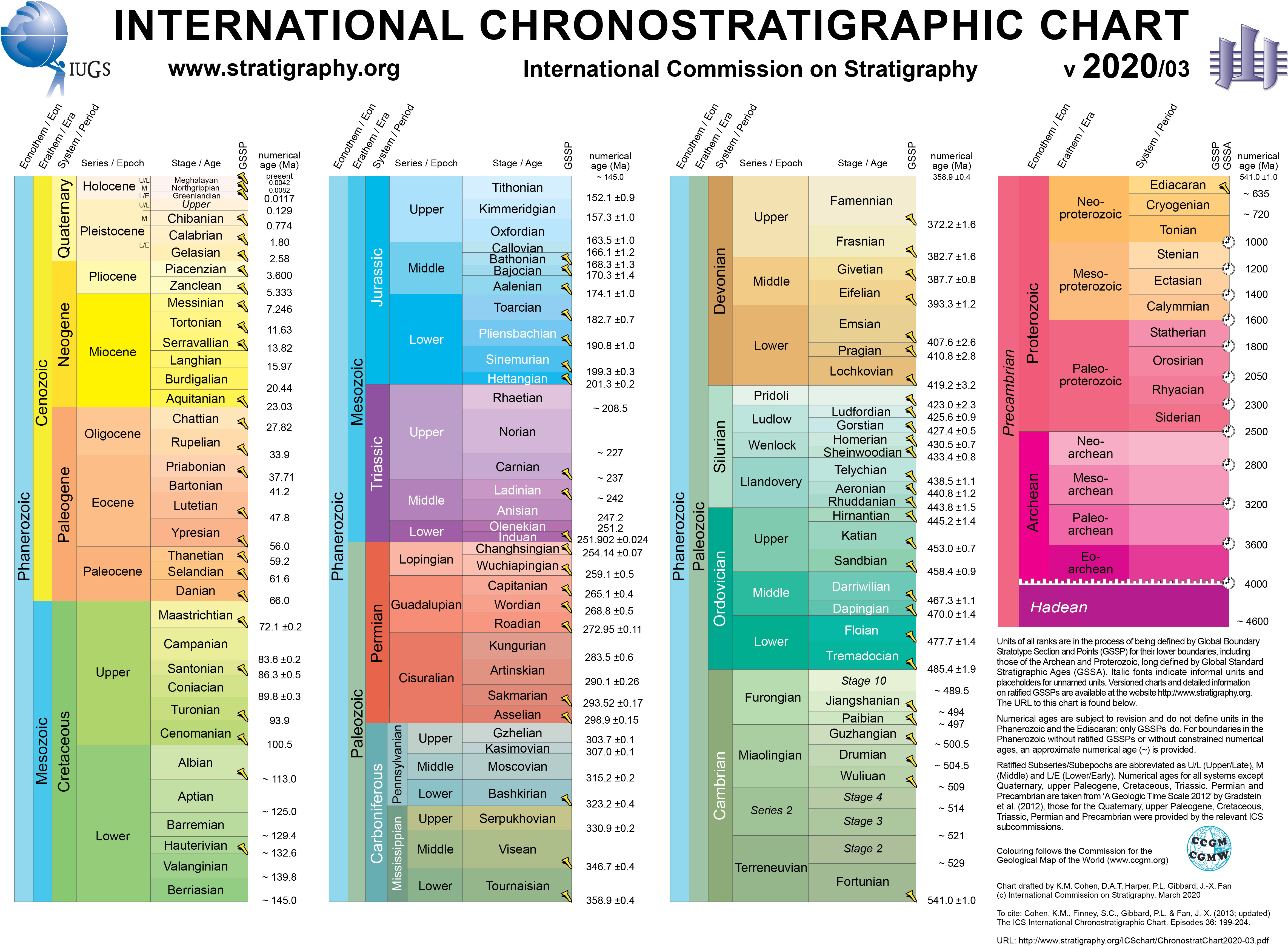
- Geologic time scale (GTS)
- A system of chronological dating that relates geological strata to time, and is used by geologists, paleontologists, and other Earth scientists to describe the timing and relationships of events that have occurred during Earth's history.
- Geomorphology
- The branch of geology that is concerned with the structure, origin, and development of the topographical features of the earth's surface.

- Gneiss
- Very high temperatures and pressures; coarse grained texture of alternating light and dark mineral bands.

- Graben
- A block that has dropped relatively downward between two normal faults dipping toward each other.

- Granite
- The most well known and one of the most common intrusive igneous (plutonic) rock type. It is formed when an intrusion of viscous magma with high silica content (68 -75 wt %) remains under the surface of the earth, where it cools and crystallizes slowly inside the crust.

- Groundwater
- All the water contained in the void space within rocks. Most groundwater derives from surface sources; is the water present beneath Earth's surface in soil pore spaces and in the fractures of rock formations. A unit of rock or an unconsolidated deposit is called an aquifer when it can yield a usable quantity of water.

- Horst
- A block that has been relatively uplifted between two normal faults that dip away from each other.
- Hydrosphere
- A generic term for all the water in, above, and on the Earth.

- Igneous rock
- Rocks, formed through the cooling and solidification of magma / lava

- Intrusive rock
- Is formed when magma crystallizes and solidifies slowly below the surface (underground), not reaching the surface; also called plutonic rock, igneous intrusive rock.